Energy-Efficient Commercial Roofing Benefits in Opelika, AL & Surrounding Areas
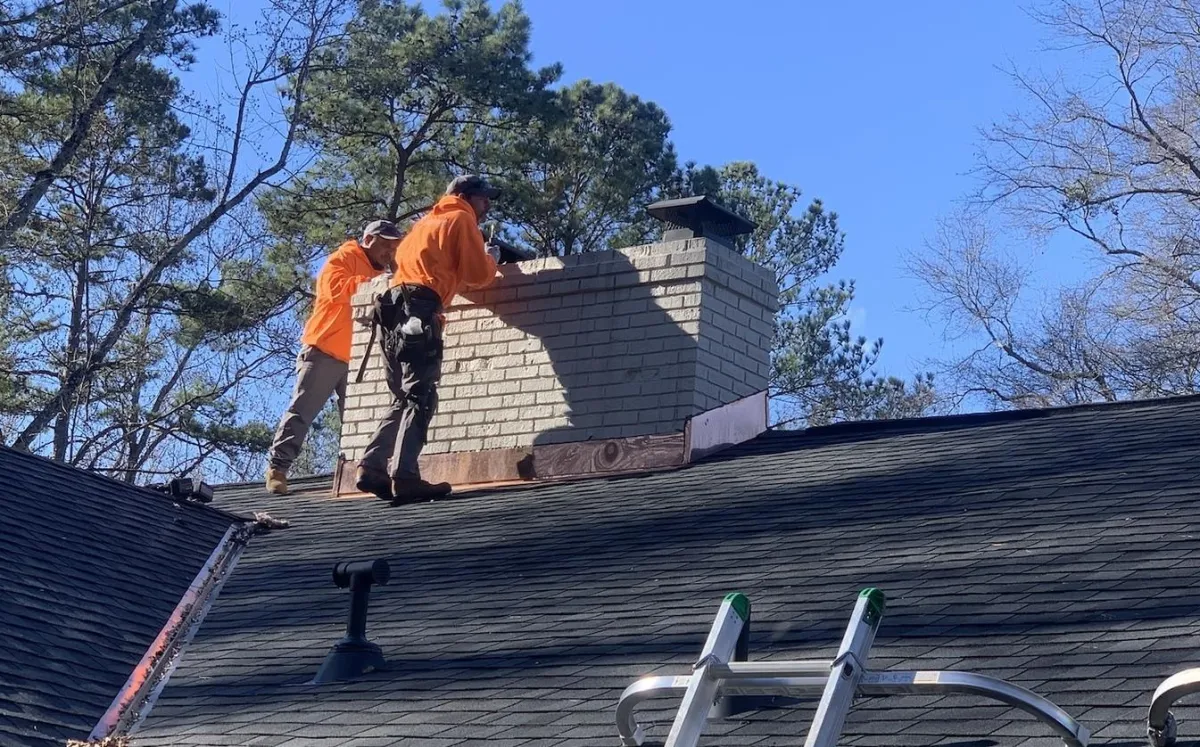
Energy-efficient commercial roofing has become a smart investment for businesses in Opelika, AL and surrounding areas due to rising energy costs and changing weather conditions. A properly designed energy-efficient roof helps regulate indoor temperatures, lowers utility bills, and improves overall building performance. Business owners in Auburn, Lee County, Valley, Lanett, Smiths Station, Phenix City, Columbus, Notasulga, Loachapoka, and Waverly are increasingly choosing energy-efficient roofing systems to protect their properties and reduce long-term expenses.
What is energy-efficient commercial roofing and how does it work?
Energy-efficient commercial roofing is designed to reduce heat absorption and improve insulation. These roofing systems often use reflective materials that bounce sunlight away from the building. This helps maintain stable indoor temperatures, especially during hot Alabama summers. Proper insulation and ventilation also reduce the workload on HVAC systems. Over time, this leads to lower energy consumption and improved comfort for employees and customers.
How can energy-efficient roofing lower energy bills for businesses in Opelika?
In Opelika and Auburn, high temperatures can cause air conditioning systems to work overtime. Energy-efficient roofing reflects heat instead of absorbing it, keeping indoor spaces cooler. This reduces the need for constant cooling and lowers electricity usage. Many business owners notice reduced utility bills shortly after installation. Over the life of the roof, these savings can be significant.
Why is energy-efficient roofing ideal for commercial buildings in Auburn and nearby towns?
Commercial buildings often have large roof surfaces that are exposed to direct sunlight. In towns like Auburn, Notasulga, and Loachapoka, this exposure can dramatically increase indoor heat. Energy-efficient roofing helps manage this heat more effectively. It creates a more comfortable work environment while reducing strain on HVAC equipment. This also extends the lifespan of cooling systems.
Does energy-efficient roofing improve indoor comfort for employees and customers?
Yes, one of the biggest benefits is improved indoor comfort. By regulating temperature fluctuations, energy-efficient roofs help maintain consistent indoor conditions. Businesses in Valley and Lanett report fewer hot or cold spots throughout their buildings. This creates a more pleasant experience for both employees and customers. Improved comfort can also boost productivity and customer satisfaction.
How does energy-efficient roofing help commercial roofs last longer?
Energy-efficient roofing materials reduce thermal expansion and contraction caused by extreme temperatures. In areas like Lee County and Smiths Station, temperature swings can stress traditional roofing systems. Reflective and insulated roofing reduces this stress, helping materials last longer. Less heat damage means fewer cracks, blisters, and repairs. This results in a longer-lasting commercial roof.
Can energy-efficient commercial roofing support sustainability goals?
Many businesses in Phenix City and Columbus choose energy-efficient roofing to support eco-friendly initiatives. These roofs reduce energy consumption, which lowers carbon emissions. Some materials are also recyclable and environmentally responsible. Choosing an energy-efficient roof shows commitment to sustainability. This can improve a company’s public image and appeal to environmentally conscious customers.
What types of energy-efficient roofing materials are available for commercial buildings?
Common options include cool roofs, TPO roofing, reflective metal roofing, and insulated membrane systems. Each option offers different benefits depending on building size and usage. Businesses in Waverly and surrounding areas often choose materials based on durability and energy performance. A professional contractor can recommend the best system for your needs. Proper installation is key to maximizing energy efficiency.
How does energy-efficient roofing reduce HVAC maintenance costs?
By keeping indoor temperatures more stable, energy-efficient roofs reduce the workload on HVAC systems. In Opelika and nearby towns, this leads to less wear and tear on heating and cooling equipment. Fewer breakdowns and repairs are needed over time. HVAC systems also tend to last longer when they aren’t constantly overworked. This adds another layer of cost savings for business owners.
Is energy-efficient commercial roofing a good investment for older buildings?
Yes, energy-efficient roofing can significantly improve the performance of older commercial buildings. Many properties in Auburn and Lee County were built before modern energy standards. Upgrading the roof helps improve insulation and temperature control. This makes older buildings more efficient and comfortable. It’s a cost-effective way to modernize without a full renovation.
How do local weather conditions affect energy-efficient roofing performance?
Weather in Opelika, AL includes hot summers, heavy rain, and occasional storms. Energy-efficient roofing systems are designed to handle these conditions effectively. Reflective surfaces reduce heat, while durable materials resist moisture damage. Proper drainage and insulation further protect the building. This makes energy-efficient roofing well-suited for the local climate.
Final Thoughts
Energy-efficient commercial roofing offers long-term benefits for businesses in Opelika, AL and surrounding areas. From reduced energy bills and improved comfort to longer roof lifespan and environmental benefits, it’s a smart investment for commercial property owners. Businesses in Auburn, Valley, Lanett, Smiths Station, Phenix City, Columbus, Notasulga, Loachapoka, and Waverly can all benefit from upgrading to an energy-efficient roofing system. Choosing the right materials and professional installation ensures maximum performance and savings.
How much can energy-efficient commercial roofing reduce energy costs?
Savings vary by building size and roof type, but many businesses see noticeable reductions in cooling costs, especially during summer months.
Is energy-efficient roofing more expensive upfront?
Initial costs may be slightly higher, but long-term energy savings and reduced maintenance often outweigh the upfront investment.
Can energy-efficient roofing qualify for tax incentives or rebates?
Some energy-efficient roofing systems may qualify for local, state, or federal incentives. A roofing professional can help identify available programs.
How long does energy-efficient commercial roofing last?
With proper installation and maintenance, many systems last 20–30 years or more, depending on the material used.
Does energy-efficient roofing require special maintenance?
Maintenance is similar to traditional roofing but includes regular inspections to ensure reflective surfaces and insulation remain effective.